"Insurance costs for community associations have jumped 30-40% since 2023. That single line item is the biggest catalyst of the structural assessment increases we're witnessing today."
That's a regional property management director describing what's happening to homeowner association budgets across Cherokee County right now, and it explains something buyers comparing homes in Woodstock keep missing. Two listings can carry the same asking price and sit in completely different cost brackets the moment you factor in what the HOA actually bills you every month.
This isn't a story about which Woodstock neighborhood is better. It's about why the sale price on the sign tells you less than you think, and why the line item you skim past on a listing sheet, the HOA fee, is doing more work than the price itself in determining what you're actually buying.
What $500,000 Buys Depends on Which Woodstock You Mean
As of September 2026, Woodstock's citywide median list price sits at $500,000, working out to roughly $224 per square foot. That's a city-level number, and it flattens two very different products into one line.
Downtown Woodstock, specifically, tells a different story. Over the three months leading into August 2026, the median sale price there was $505,000, up 5.2% from the same period a year earlier, and homes sold in a median of 19 days. But the price per square foot in that district was $357, down 5.2% year over year, meaning downtown buyers are paying nearly 60% more per square foot than the citywide average, for meaningfully less space.
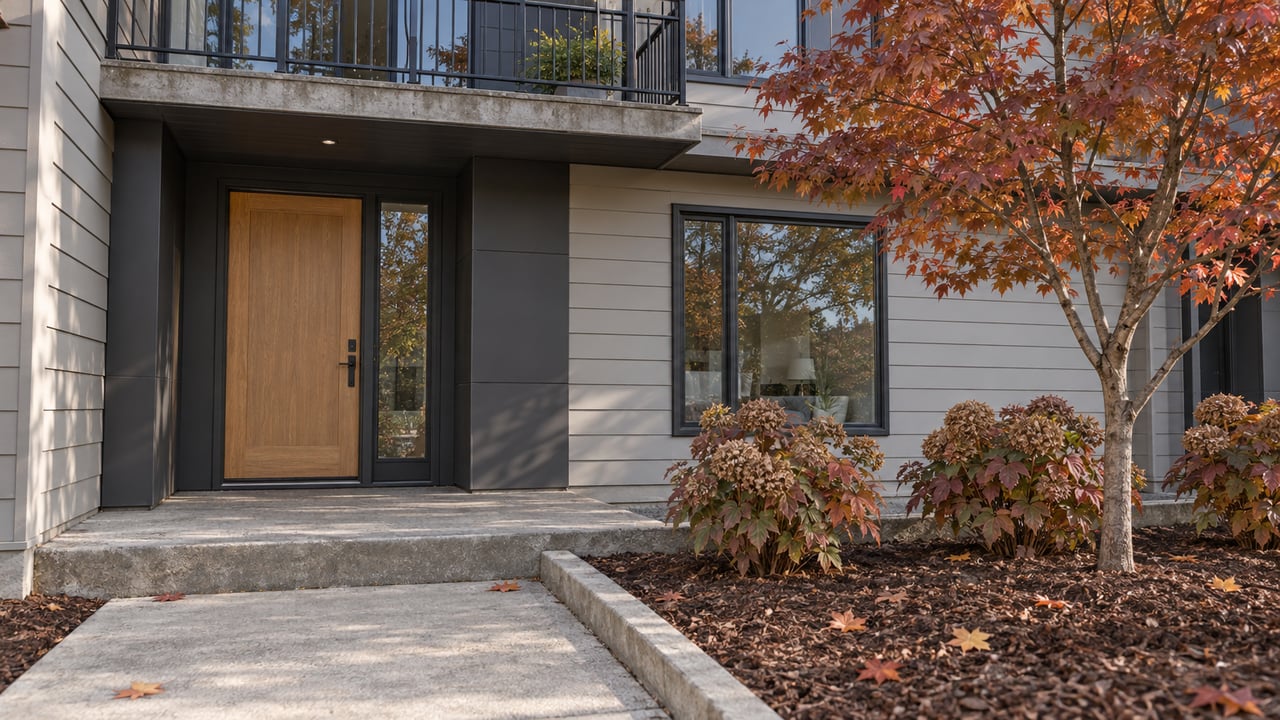
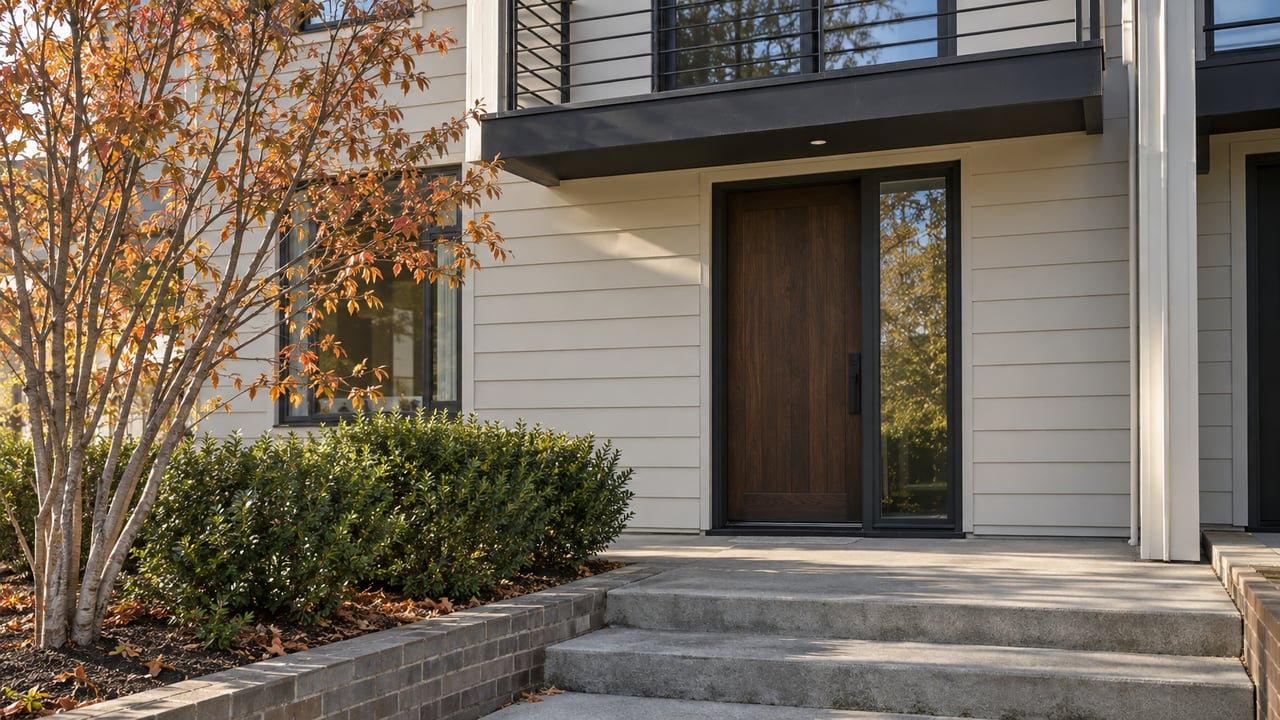
That gap isn't a mystery once you look at what's actually being built there. Downtown's inventory increasingly means walkable, amenity-dense townhome and condo product, like South on Main on Main Street, developed by the JW Collection under builder John Wieland. It's a mix of townhomes, single-family homes, paired homes, and four-story sky-terrace units with elevators, most townhomes running 2,400 to 2,800 square feet with single-family homes often 3,000 to 4,000-plus. The community sits on Main Street with direct access to the Noonday Creek Trail and is steps from the Elm Street Cultural Arts Village, and it won Community of the Year at the 2020 OBIE Awards. That location and density premium is baked into the per-square-foot number. It is not the same shopping trip as a subdivision three miles out with a big yard and a lower price per foot.
The Line Nobody Prices In Until Closing
Here's where the real gap opens up. It isn't the sale price. It's the HOA line.
| Community type | Monthly HOA fee range | What it covers |
|---|---|---|
| Established suburban single-family (Towne Lake, BridgeMill sections, similar communities) | roughly $48 to $130 | Amenities, shared landscaping, pool and clubhouse upkeep |
| BridgeMill (varies significantly by section) | $10 to $397 | Ranges from minimal common-area upkeep to full amenity packages depending on section |
| Downtown Woodstock condo and townhome regime (e.g. 360 Chambers Street) | $400 to $500 | Exterior maintenance, building insurance, full landscaping, trash |
| South on Main specifically | $210 to $685 | Clubhouse, fitness center, resort-style pool, trail access, and in higher tiers, building-level maintenance |
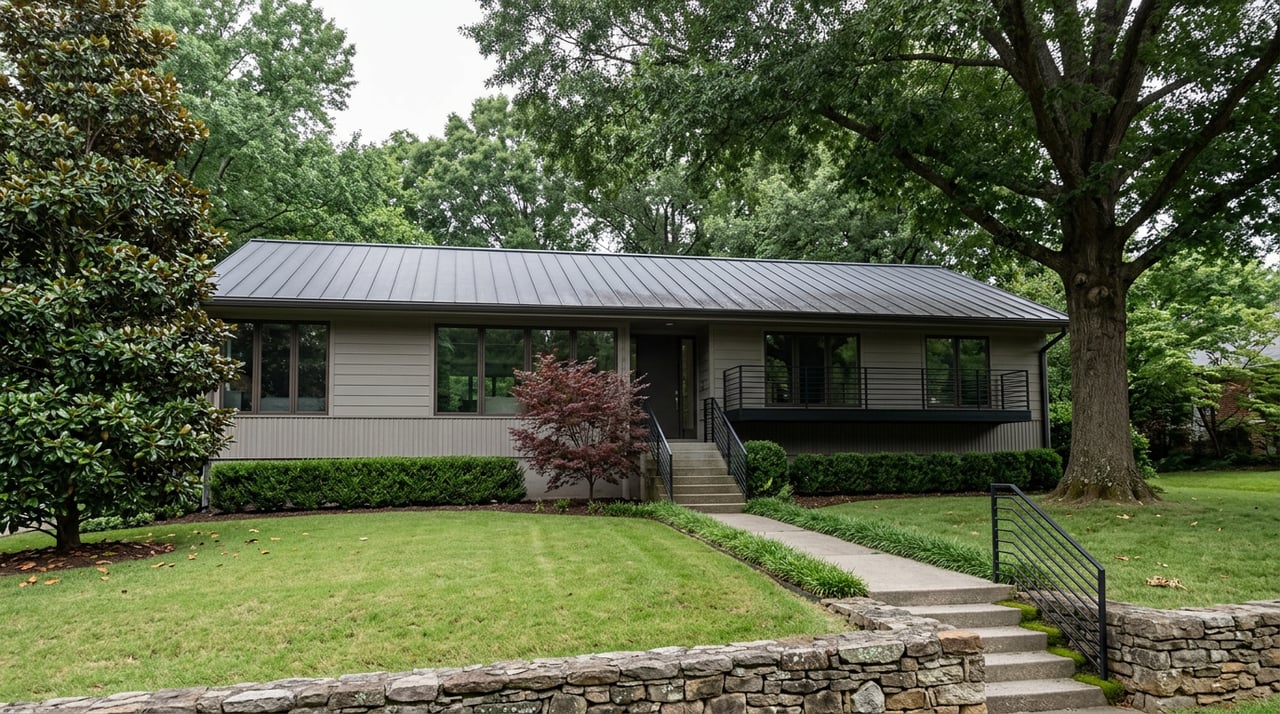
The suburban single-family fee and the downtown condo fee aren't different prices for the same service. They're different products. A single-family HOA in an established community is billing you for shared amenities and common-area upkeep. You still own your roof, your siding, your gutters, and your insurance policy. A condo regime in downtown Woodstock is billing you to make all of that someone else's problem. The fee covers exterior maintenance, building insurance, and landscaping as a package, which is why it runs three to four times higher. You're not paying more to live downtown. You're paying to hand off a set of maintenance responsibilities that a suburban single-family owner still carries personally.
That distinction matters most for a buyer sitting between a $500,000 single-family resale in an established community and a $500,000 townhome downtown. The price on the sign is identical. The monthly obligation, and what that obligation replaces, is not.
Why This Is a 2026 Problem, Not a Permanent One
The wider fee pressure across Cherokee County right now traces back to that insurance line the property management director flagged. Commercial property and casualty insurance markets have hardened broadly, driven by severe weather exposure and higher replacement costs, and HOA boards are passing that cost through in the only way they can: dues and special assessments.
Eagle Watch is a documented case of exactly this. The community's official 2026 Assessment Schedule, published in February 2026, lists a regular assessment of $1,086, billed as two $543 installments in January and April. On top of that, the association added a $400 special assessment for 2026, pushing total dues past $1,486 for the year. That's not a fee schedule buyers can see just by glancing at a listing. It surfaces when you request HOA documents, and in Georgia, that request matters more than most buyers realize.
Under Georgia's Property Owners Association Act, the state doesn't require HOAs to maintain minimum reserve fund levels. An association can operate for years without setting aside cash for a roof replacement, a gate system, or shared asphalt, and then hit residents with a special assessment when the bill comes due all at once. That's a structural feature of Georgia HOA law, not a Woodstock-specific quirk, but it's exactly why a reserve study and 12 months of financials are worth requesting before you close, not after.
Running the Actual Math
Georgia's statewide average HOA fee for single-family homes is $135 a month. At a 43% debt-to-income ratio, a lender needs to see roughly $3,767 a year in gross income just to absorb that fee, and it reduces the purchase price you qualify for by around $27,000 on a 30-year mortgage against the state's median home price.
That ratio scales. A downtown Woodstock condo fee in the $450 range, roughly the midpoint of the 360 Chambers Street and South on Main ranges, works out to something closer to $90,000 in reduced qualifying purchase power under the same math, using the same 43% DTI assumption. That's not a published statistic specific to Woodstock. It's what the state's own fee-to-borrowing-power ratio implies once you apply it to the fee tier that's actually common downtown. For a buyer comparing a suburban single-family home against a downtown townhome at the same list price, that's the number a lender's approval letter will surface, whether or not the buyer priced it in ahead of time.
What This Means at the Negotiating Table
None of this makes one part of Woodstock a better buy than another. It means the comparison buyers are actually running, "which $500,000 home is the better deal," isn't answerable from the sale price alone.
A move-up family comparing a resale in an established single-family community against a new-construction townhome downtown is comparing two different cost structures, not two versions of the same house. The suburban home likely qualifies at a higher purchase price for the same monthly budget, because its HOA fee is doing less work. The downtown home trades some of that borrowing power for maintenance the owner will never personally schedule or pay a contractor for.
Before writing an offer on either, ask for the HOA's most recent reserve study and its last 12 months of financials. If the reserve fund looks thin relative to the age of the roof, siding, or shared systems, treat that as a signal a special assessment could be coming, the way Eagle Watch residents saw in 2026. That single document tells you more about the real cost of ownership than the comparable sales sheet does.
Frequently Asked Questions
Does a higher HOA fee always mean a worse deal? No. A higher fee in a condo or townhome regime is often replacing costs a single-family owner pays separately, like exterior maintenance and building insurance. The comparison only makes sense once you know what each fee is actually bundling.
How much does an HOA fee actually affect what I can afford in Woodstock? It reduces your qualifying purchase price by displacing borrowing room a lender would otherwise allow toward the mortgage itself. The exact impact depends on the fee amount and your income, but the ratio is real and worth running with a lender before you fall for a specific listing.
What should I ask for before making an offer on an HOA property in Woodstock? Request the association's most recent reserve study and the last 12 months of financial statements. That shows whether the community is funding future repairs or heading toward a special assessment.
If you're weighing a downtown townhome against a suburban resale in Woodstock and want the actual math run against your numbers, not just the list price, Sterling Realty Partners can walk through both sides of the comparison with you.