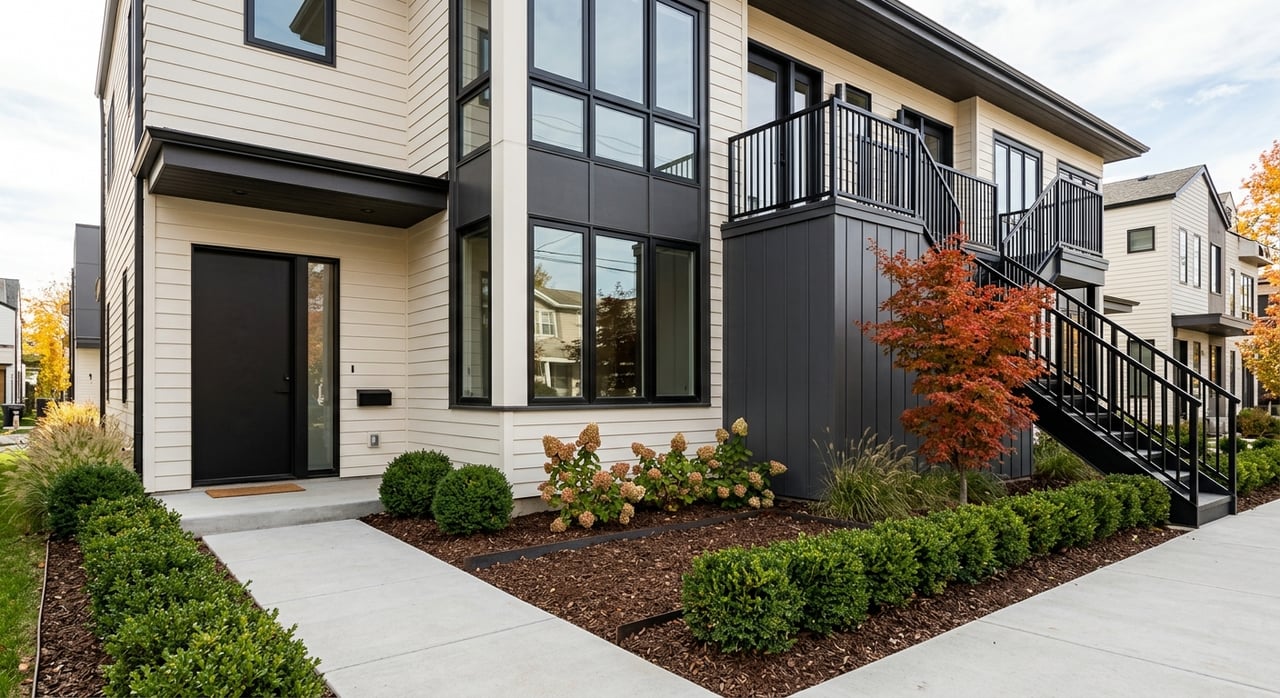

Thinking of listing your Woodstock home and hoping the market will do the heavy lifting? In today’s environment, that is a risky bet. With Woodstock homes taking about 39 to 41 days to sell on average and sale prices landing close to, but often slightly below, asking, your marketing strategy can shape how much attention your home gets and how strong your offers look. If you want to stand out from day one, it helps to know what today’s buyers actually respond to. Let’s dive in.
Why exposure matters in Woodstock
Woodstock is a well-known part of southern Cherokee County, about 30 miles north of downtown Atlanta. Official city materials describe it as a 13-square-mile community with more than 30,000 residents, with a strong identity tied to its downtown, parks, and trails.
That local appeal helps, but it does not replace a smart launch. Current market snapshots point to a balanced to softening market, not a fast seller’s market. In March 2026, Realtor.com reported 720 homes for sale in Woodstock, a 99 percent sale-to-list ratio, and a median 41 days on market. Redfin’s three-month snapshot ending in May 2026 showed a median sale price of $429,743 and an average 39 days on market.
What does that mean for you? Buyers have options, and they are comparing listings closely. Strong marketing is no longer a bonus. It is part of the pricing and negotiation strategy.
Start with a strong first impression
The first week your home is live can set the tone for the rest of your sale. If the presentation feels average or the pricing misses the mark, it can be harder to regain momentum later.
That matters in Woodstock, where homes are selling near asking price on average, but not far above it. When buyers see a new listing, they are deciding quickly whether it is worth a showing, a second look, or an offer. Your goal is to make that decision easy.
Put digital presentation first
Most buyers begin online, and many ultimately buy a home they first found there. According to the 2025 NAR Profile of Home Buyers and Sellers, 46 percent of buyers started their search online, 52 percent found the home they bought on the internet, and 70 percent used mobile or tablet devices during their search.
That means your listing has to perform well on a phone screen as much as it does in person. It also means that your photos, property details, and overall presentation have to work together.
Professional photography matters
If you do only one thing to improve your listing’s exposure, start with photos. NAR reported that 81 percent of buyers who used the internet found photos very useful, making them the single most important online feature in a listing.
Professional photography does more than make rooms look bright. It helps buyers understand layout, scale, and condition at a glance. In a market like Woodstock, where buyers can compare many homes online in a short amount of time, polished images help your home earn more clicks and more showings.
Detailed listing information builds trust
Photos may get attention, but details help keep it. NAR found that 77 percent of online buyers rated detailed property information as very useful, and 57 percent said the same about floor plans.
That means your listing description should go beyond basic facts. Clear room-by-room details, accurate measurements, standout features, and useful layout information can help buyers picture daily life in the home. It also reduces confusion, which can lead to better-qualified interest.
Video and virtual tours expand reach
Not every buyer can visit right away, especially during the first few days your home is on the market. That is where video and virtual tours can help widen exposure.
Among buyers’ agents in the 2025 Profile of Home Staging, 48 percent said videos were much more or more important to their clients, and 43 percent said the same for virtual tours. Sellers’ agents also rated videos as important. These tools can help your listing stay competitive when buyers are narrowing choices online before scheduling tours.
What about 3D or interactive tours?
A standard virtual tour usually presents a guided visual walkthrough. A 3D or interactive tour goes a step further by letting buyers explore the space more freely and understand how rooms connect.
While the research report does not separate 3D tours into its own category, it is reasonable to treat them as part of a broader virtual-tour strategy. If your home has an open layout, multiple levels, or spaces that are hard to understand from photos alone, this kind of media can improve clarity and buyer interest.
Staging and prep still influence online performance
Staging is not just about in-person showings. It also improves how your home looks online, which is where most buyers first meet it.
In NAR’s 2025 Profile of Home Staging, 83 percent of buyers’ agents said staging made it easier for buyers to visualize a property as a future home. Just as important, 31 percent said buyers were more willing to walk through a staged home they saw online.
Focus on the prep that buyers notice most
The most common seller prep recommendations include:
- Decluttering
- Whole-home cleaning
- Improving curb appeal
These updates are practical, not flashy. They help your photos look cleaner, your rooms feel larger, and your home present as well cared for.
Is staging worth it for a vacant or inherited home?
Often, yes. Vacant homes can feel cold or harder to read in photos, while inherited homes may need help shifting from personal storage or dated presentation to market-ready condition.
The same NAR report found that 19 percent of sellers’ agents saw a 1 percent to 5 percent increase in the dollar value offered when a home was staged, and 30 percent saw slight decreases in time on market. That does not guarantee a result for every property, but it does show why staging can be worth considering when your goal is maximum exposure and a stronger response.
Use the right marketing channels
Maximum exposure does not come from a single tactic. It comes from a coordinated launch across the places buyers actually use.
NAR reports that agents most commonly market homes through the MLS, yard signs, open houses, Realtor.com, their own websites, third-party aggregators, company websites, social media, virtual tours, and video hosting platforms. Some channels bring broad visibility, while others help reinforce local awareness and buyer follow-up.
MLS is still the core
The MLS remains the foundation of listing exposure. NAR found that 85 percent of agents market homes through the MLS, making it the top distribution channel.
Once your listing enters the MLS, it can reach a wide network of agents and feed into many consumer-facing property search platforms. In Georgia, advertising rules also define media broadly and require advertising to appear in the broker’s name and be reviewed and approved by the broker, which makes accurate, compliant listing management especially important.
Open houses still have value
Open houses are sometimes treated like an old-school tactic, but buyers still find them useful. NAR reported that 43 percent of buyers found open houses very useful, and 59 percent of agents use them to market homes.
In Woodstock, an open house can support your first-week momentum by giving interested buyers a low-pressure way to experience the home. It can also create a sense of activity around the listing when timed well.
Social media supports the main strategy
Social media can help expand awareness, but it should support your core listing strategy, not replace it. NAR found that 23 percent of agents use social media as a marketing channel.
That makes it useful, but not the main event. A strong campaign usually starts with MLS exposure, polished visual assets, and clear listing details, then uses social media to amplify reach and drive traffic back to the property.
Price and marketing must work together
Even the best media package cannot fully overcome a pricing strategy that misses the market. Sellers commonly want help pricing competitively, marketing effectively, and selling within a specific timeframe, according to NAR.
In Woodstock’s current conditions, where homes are selling about 1.1 percent below asking on average and taking roughly 39 to 41 days to sell, pricing discipline matters. A listing that launches too high may lose attention during the period when buyer interest is strongest.
When should you adjust if traffic is light?
There is no single timeline that fits every property, but low traffic early on is a signal worth taking seriously. If your home is getting views online but few showings, or showings but little feedback that supports the price, the market may be telling you something.
Because the early launch period is so important, it is wise to review activity quickly and make decisions based on actual buyer response. Sometimes the issue is pricing. Sometimes it is presentation. Often, it is a combination of both.
Highlight Woodstock in a grounded way
Local context can make your listing feel more specific and more memorable. Woodstock’s official materials highlight its downtown district, parks, trails, and location about 30 miles north of Atlanta.
That does not mean overloading your listing with generic lifestyle claims. It means using thoughtful photography and accurate property marketing to show how the home fits into its setting. A listing that feels grounded in Woodstock often feels more relevant than one that could be anywhere.
What a high-exposure listing package should include
If your goal is maximum exposure, your listing launch should be built around the features buyers say matter most.
A strong package may include:
- Professional photography
- Clear, accurate property details
- Floor plans
- Video
- Virtual tour or interactive tour
- Decluttering and cleaning before launch
- Curb appeal improvements
- Thoughtful staging when needed
- MLS distribution
- Open house strategy when appropriate
Each piece supports the others. Better prep improves photos. Better photos improve click-through interest. Better digital presentation supports showings. Better showing activity can strengthen negotiation position.
Why broker-led strategy can make a difference
Marketing your home for maximum exposure is not just about getting it online. It is about making smart choices on presentation, timing, pricing, and buyer response.
A boutique, full-service brokerage like Sterling Realty Partners, Inc. brings together local market perspective, professional listing presentation, and hands-on negotiation support. That combination can be especially valuable when the market is balanced and buyers are making careful comparisons.
If you are preparing to sell in Woodstock, the best next step is a strategy built around your home, your timing, and your goals. Connect with Sterling Realty Partners, Inc. to schedule a consultation and create a launch plan designed to maximize your home’s exposure.
FAQs
How important is professional photography for a Woodstock home sale?
- Very important. NAR found that 81 percent of online buyers rated photos as very useful, making them one of the biggest drivers of first impressions and showing interest.
Are staging and decluttering worth it for a Woodstock vacant home?
- Often, yes. NAR reports that staging helps buyers visualize a home, and many agents have seen slightly faster sales and, in some cases, higher offers after staging.
Which marketing channels bring buyers to Woodstock listings?
- The main channels include the MLS, major property search websites, open houses, agent and company websites, third-party listing platforms, social media, and virtual tour media.
When should you review pricing on a Woodstock listing with low traffic?
- You should pay close attention early in the listing period. In a market where homes average about 39 to 41 days on market, weak early activity may be a sign to review pricing, presentation, or both.
What is the difference between a virtual tour and a 3D tour for a Woodstock listing?
- A virtual tour usually presents a guided visual overview, while a 3D or interactive tour lets buyers explore the layout more freely and understand how spaces connect.