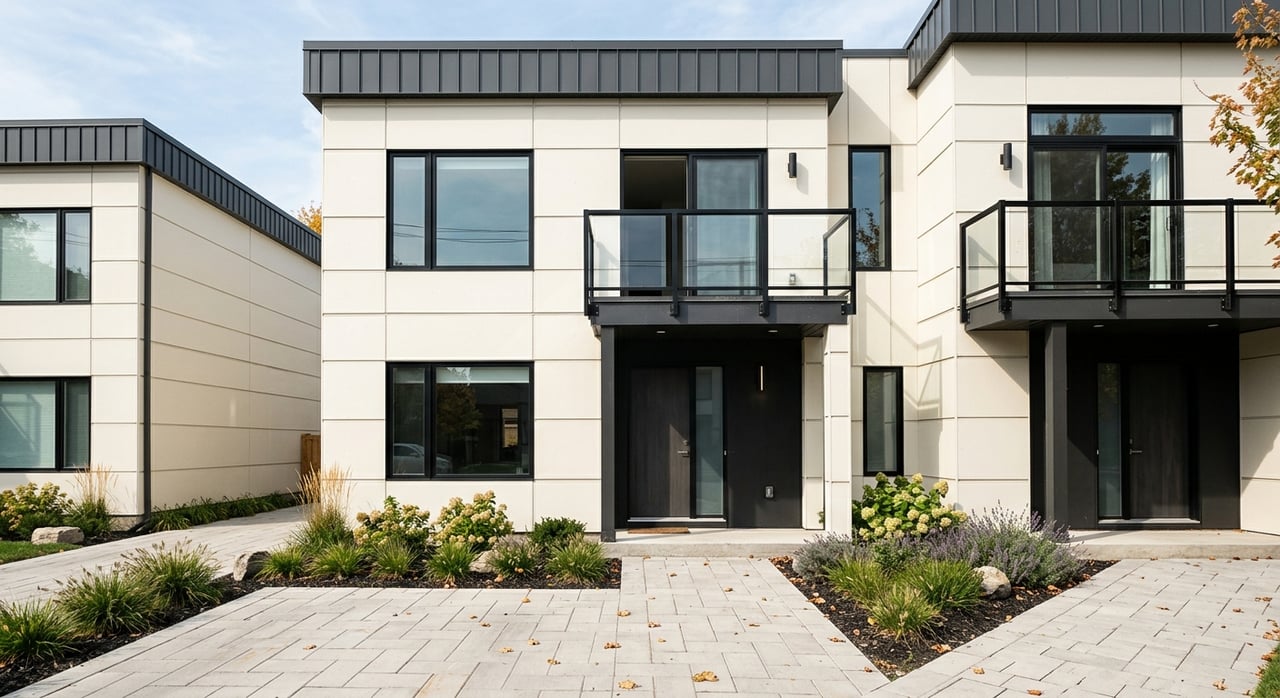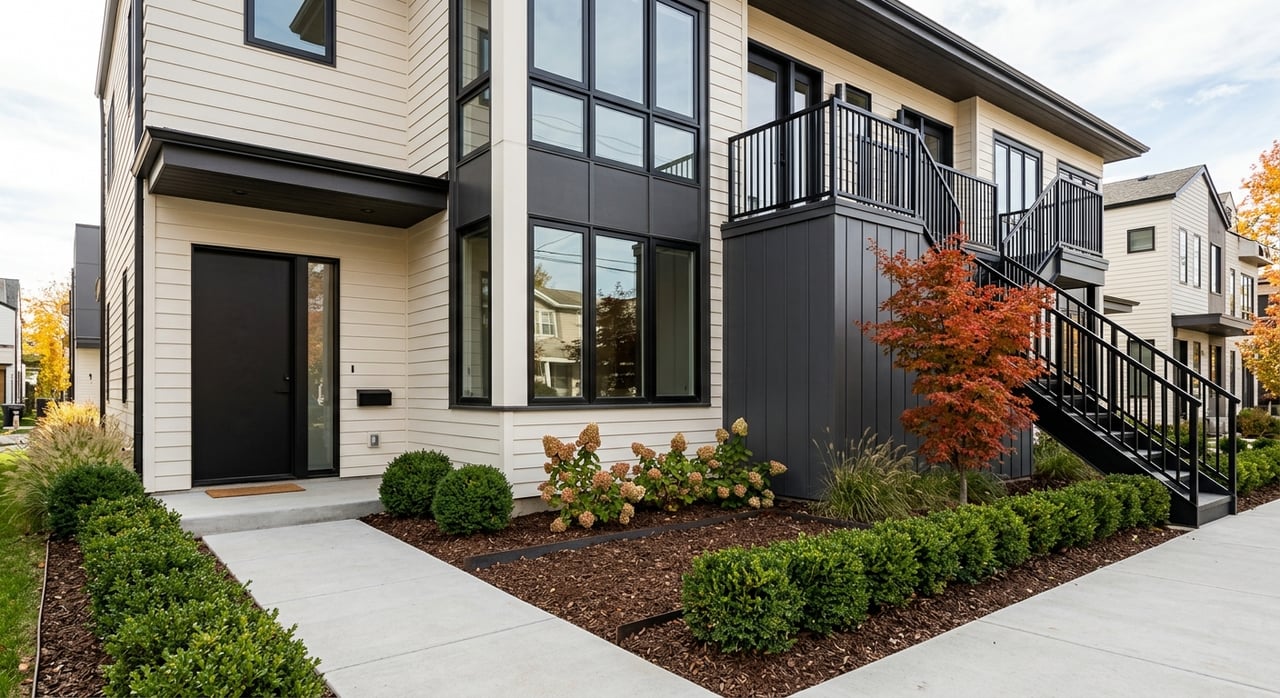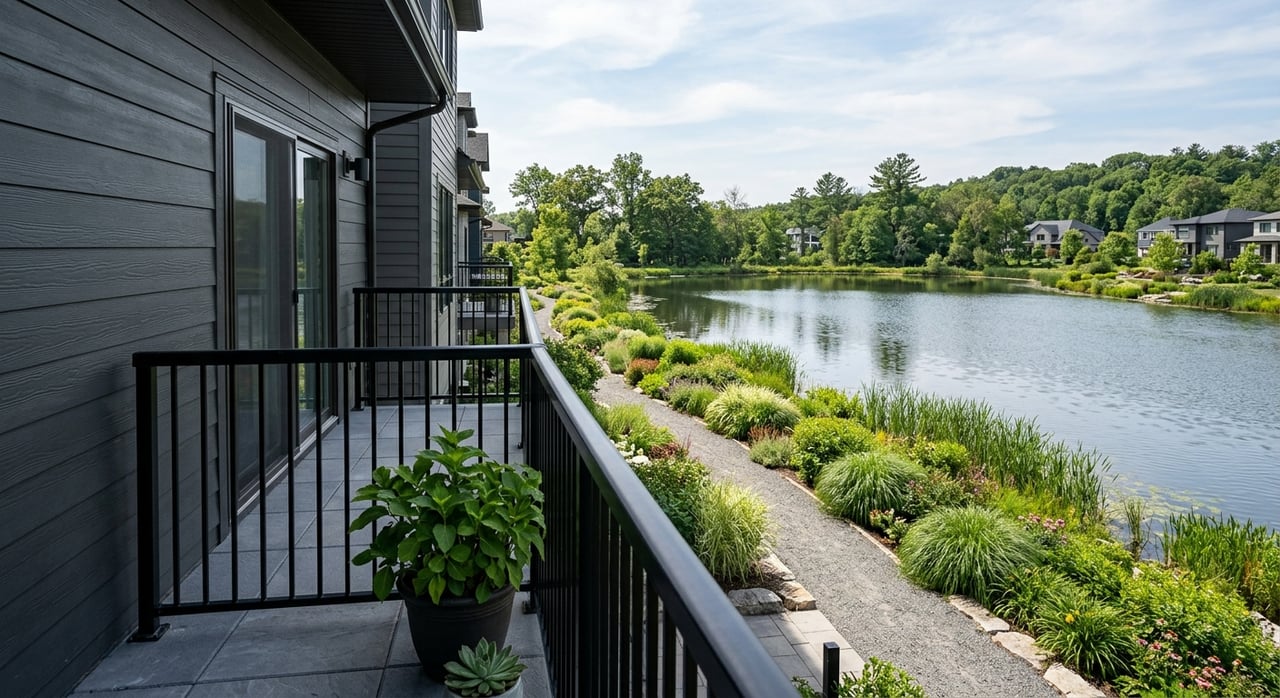
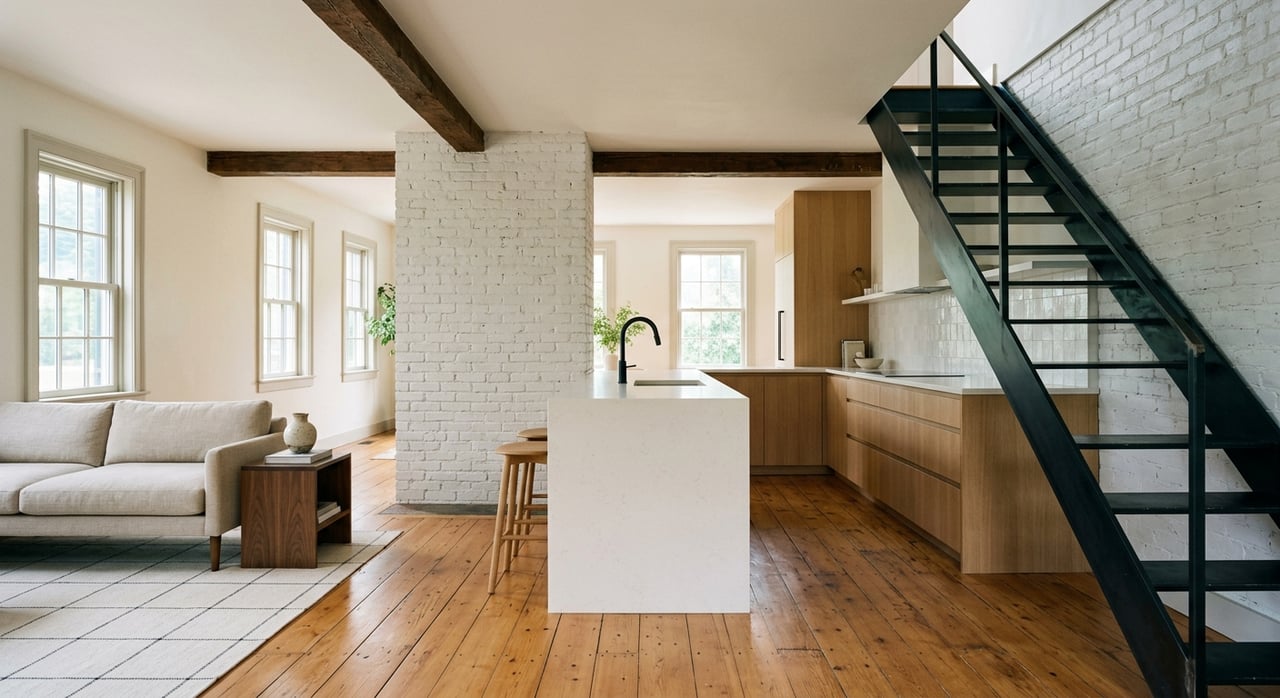
If you want a home with real character, Historic Marietta is hard to ignore. You get architectural charm, a walkable downtown core, and the kind of daily convenience that can make a neighborhood feel lived in, not just admired. At the same time, buying in a historic area comes with practical questions about updates, pricing, and what ownership really looks like. This guide will help you understand how Historic Marietta balances charm and modern comfort, and what that could mean for your next move. Let’s dive in.
Why Historic Marietta Stands Out
Historic Marietta offers more than a single look or one narrow style of home. According to the City of Marietta, the area includes 5 National Register Historic Districts, 3 locally designated residential historic districts, 4 locally designated landmarks, and the Downtown Marietta Historic District. That gives the city a strong preservation framework while still leaving room for a broad mix of homes and streetscapes.
What makes that especially appealing is the variety. In-town Marietta includes Queen Anne Victorian, Folk Victorian, Greek Revival, Italianate Victorian, Craftsman and bungalow, Tudor Revival, Prairie, Minimal Traditional, and Ranch homes. Instead of feeling repetitive, Historic Marietta feels layered and collected over time.
Historic Homes, Not One-Note Homes
One of the biggest misconceptions about historic neighborhoods is that every house looks the same. In Marietta, that is simply not the case. City design guidance notes that many buildings in the historic district are vernacular, while high-style homes are also part of the mix.
That balance shapes the feel of the neighborhood. You may see a more ornate home on a larger lot with a deeper setback, then a simpler historic home sitting closer to the street nearby. The result is a streetscape that feels established and visually interesting without being overly formal.
Architectural Variety You Can Feel
For buyers, that variety creates more than curb appeal. It can also open up different ways to live. Some homes offer classic front porches and traditional room layouts, while others reflect later design periods with simpler lines or ranch-style living.
In areas like Forest Hills, just a few blocks from Marietta Square, the city highlights a mix of early- to mid-20th-century homes that range from Queen Anne and bungalow to Georgian, Folk Victorian, Craftsman, Tudor, and ranch. That gives you options if you want historic surroundings but do not necessarily want the same floor plan or style as everyone else.
Daily Life Near Marietta Square
A historic home matters, but so does what surrounds it. Marietta Square is a major part of the lifestyle appeal in the historic core. The city describes the Square as the central gathering place at the heart of Marietta, with Glover Park in the center along with shopping, antiques, restaurants, museums, theatres, and both free and paid parking.
That means convenience is part of the value, not an afterthought. If you enjoy being able to step out for dinner, spend time in a public park, or take part in local events without a long drive, the Square supports that kind of routine.
Events Add Energy Year-Round
Historic districts can sometimes be seen as quiet or static, but downtown Marietta stays active. The city’s 2026 calendar includes the free Glover Park Concert Series on the Square and Brown Bag Concerts in Glover Park at lunchtime. Those recurring events help the area feel engaged and connected through the year.
That activity can be a real advantage if you want a neighborhood with a stronger sense of place. It is not only about owning a beautiful older home. It is also about living near a civic center that stays in use.
Small-Town Feel, Regional Access
Another part of Marietta’s appeal is location. The city describes downtown Marietta as offering a friendly, small-town environment while still providing convenient, quick access to downtown Atlanta. For many buyers, that mix is a big part of the draw.
You can enjoy a more established, walkable setting while still staying connected to the broader metro area. That balance is one reason Historic Marietta continues to attract attention from buyers who want both charm and practicality.
What Modern Comforts Can Look Like
Historic living does not mean giving up modern function. It does mean thinking about updates a little differently. In Marietta’s historic areas, the goal is usually to preserve character-defining features while allowing reasonable change over time.
The city’s preservation approach is not about freezing a house in place. Its ordinance is designed to protect historic value while giving owners reasonable flexibility. For buyers, that is an important distinction.
Interior Updates Are Often More Flexible
A common concern is whether you can renovate a historic home freely. In locally designated districts, exterior changes and new construction may require review by the Historic Preservation Commission, and certain projects require a Certificate of Appropriateness before work begins. But the city code also states that the commission does not review interior arrangements or uses that do not affect exterior architectural features.
That usually means your planning process depends on the type of work you want to do. Cosmetic and functional interior improvements may be more straightforward, while exterior changes may need more review and coordination.
Repair First, Then Compatible Replacement
If you are thinking about modernization, the guiding principle is not automatic replacement of everything old. Rehabilitation guidance referenced in the research emphasizes repair first, then replacement only when necessary, using compatible substitute materials when needed.
In practical terms, that can work well for buyers who appreciate original details but still want updated systems, improved comfort, or refreshed spaces. The process is usually more thoughtful than a full gut renovation, but it does not rule out meaningful improvement.
What Buyers Should Know About Pricing
Historic charm often comes at a premium, especially when walkability is part of the package. Zillow’s April 2026 data puts Marietta’s typical home value at $477,858, compared with $427,690 in Cobb County, $450,207 in Smyrna, $407,419 in Kennesaw, and $402,419 in Acworth. That places Marietta above several nearby comparison points.
The premium is even more noticeable in the historic core. Redfin’s Downtown Marietta data shows a median sale price of $825,000 for the three months ending April 2026. That is far above the broader city and county figures and helps explain why the area often attracts buyers who are prioritizing location and lifestyle.
Why the Downtown Core Costs More
The pricing gap is not random. Walkable historic inventory is limited, and buyer demand for character-rich homes near the Square supports stronger pricing. When you combine scarce supply, architectural appeal, and an active downtown setting, values in the core tend to separate from the wider market.
That does not mean every buyer should stretch for the historic core. It means you should weigh what matters most to you: walkability, architectural character, and a central location, or more square footage and a simpler renovation path in nearby alternatives.
Current Market Conditions Matter Too
Broader market conditions also support the premium. Realtor.com described Marietta as a seller’s market in March 2026, with a median listing price of $500,000, a median sold price of $465,000, and a median of 39 days on market. In a market like that, preparation and local guidance matter.
If you are considering a historic home, it helps to understand both the emotional appeal and the numbers behind it. A well-informed strategy can help you move faster and make cleaner decisions when the right property hits the market.
Is Historic Marietta Right for You?
Historic Marietta can be a strong fit if you value a home that feels distinctive, a neighborhood with an established identity, and everyday access to the Square. It can also be appealing if you are comfortable approaching updates with a preservation mindset instead of a quick replace-everything approach.
On the other hand, if your top priorities are lower entry cost, newer layouts, or fewer design-review considerations, you may want to compare Historic Marietta with nearby options. The best choice depends on how you balance charm, convenience, budget, and renovation goals.
For many buyers, that is exactly where local guidance adds value. Understanding where the premium comes from, what review rules may apply, and how different blocks and districts live day to day can help you buy with more confidence.
If you are exploring Historic Marietta or comparing it with other Cobb County options, working with a local team can help you sort through pricing, preservation considerations, and neighborhood fit. Connect with Sterling Realty Partners, Inc. for a personalized conversation about your next move.
FAQs
What makes Historic Marietta different from other Marietta neighborhoods?
- Historic Marietta stands out for its preserved architecture, varied home styles, walkable connection to Marietta Square, and active preservation framework that includes multiple historic districts and landmarks.
Can you renovate a historic home in Marietta, GA?
- Yes, but exterior work in locally designated historic districts may require review by the Historic Preservation Commission and a Certificate of Appropriateness, while interior arrangements that do not affect exterior architectural features are generally not reviewed.
Does living near Marietta Square add everyday convenience?
- Yes, the Square includes Glover Park, shopping, antiques, restaurants, museums, theatres, and parking, and it also hosts recurring events like concerts that support an active daily lifestyle.
Why are Downtown Marietta historic homes more expensive?
- Downtown Marietta pricing reflects scarce walkable historic inventory, strong location appeal, and demand for homes near the Square, with median sale prices in the downtown area running well above the broader Marietta market.
Are there tax incentives for rehabilitating a historic home in Georgia?
- Georgia offers a Historic Rehabilitation Credit for Historic Homes for tax years 2023 through 2029, and current Department of Revenue guidance states the credit cannot exceed $100,000 in any 120-month period for a historic home that meets program standards.